GRACENOTE AUDIO · WORKSHOP NOTES · NOVEMBER 2026
Can a $15 ultrasonic cleaner remove visible flux residue from densely populated audio circuit boards? We tested the DG-UC02 on OPA1612/OPA1622 amplifier modules and photographed the results before and after cleaning.
Why we tried it
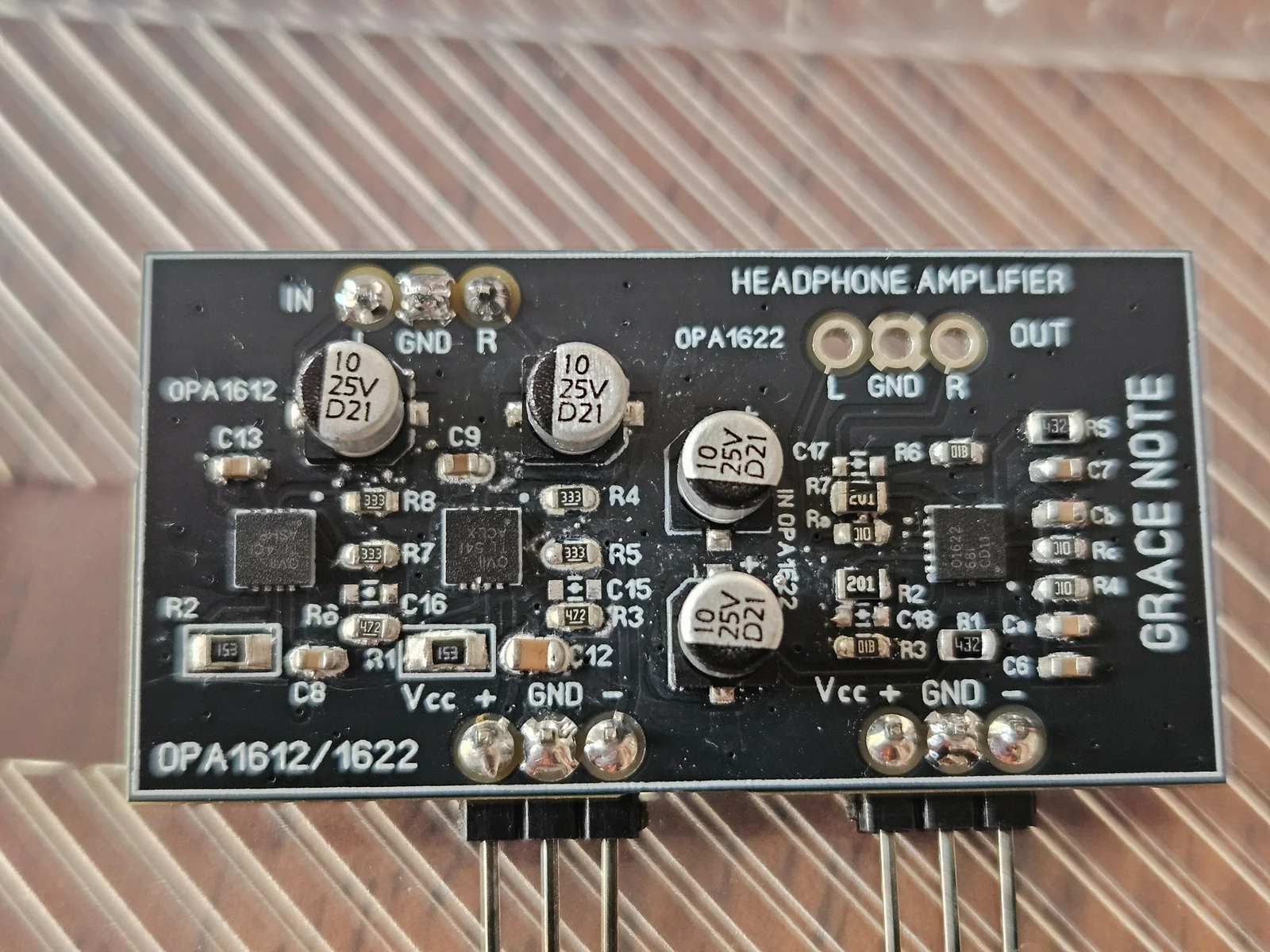
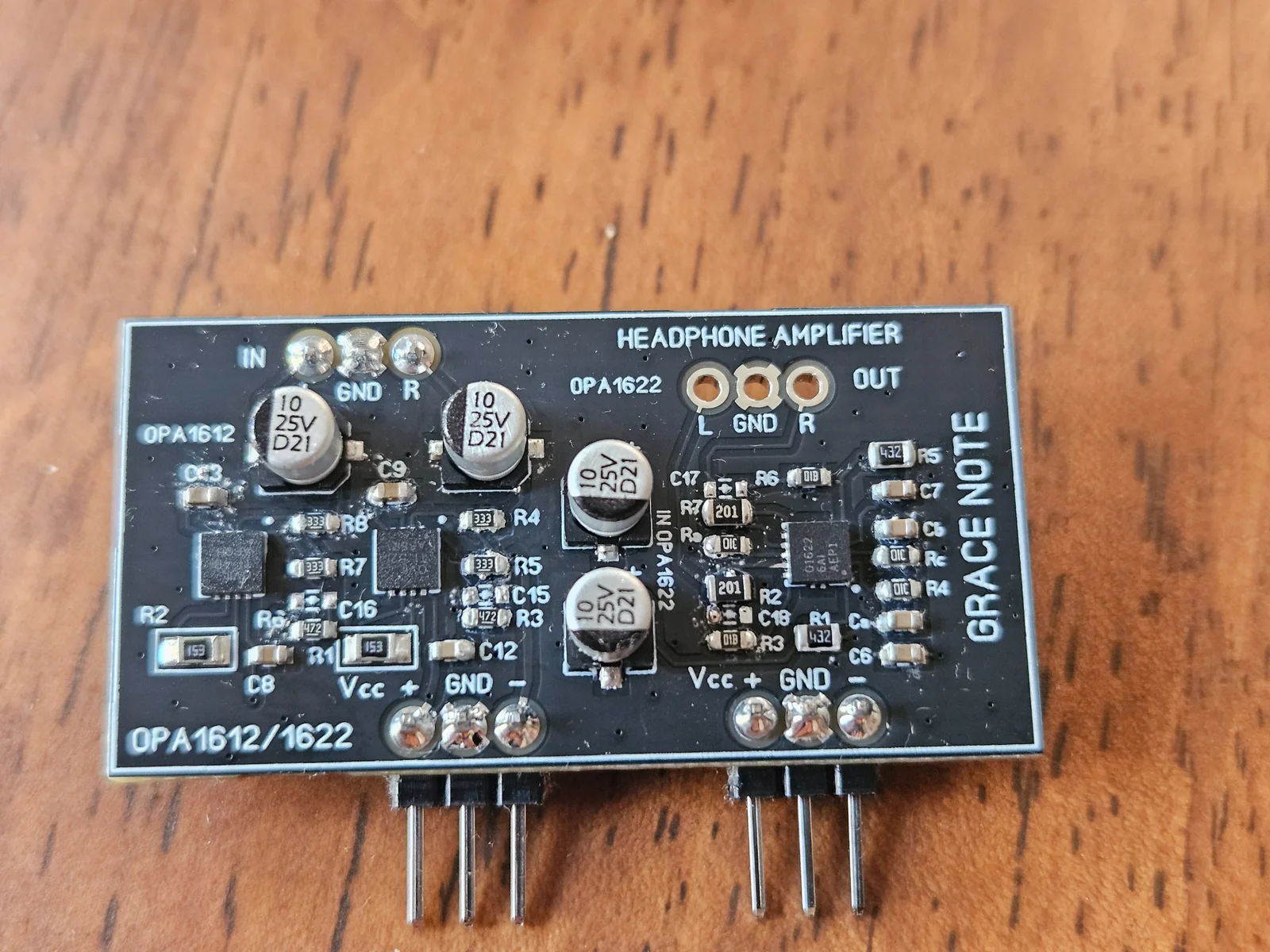
Our OPA1612/OPA1622 headphone-amplifier boards are assembled by hand, with numerous 0603 components, SMD ICs, electrolytic capacitors and pin headers. Flux makes precise hand soldering easier, but the residue is particularly visible on black solder mask and difficult to remove around tightly spaced components.
The goal was straightforward: determine whether a very inexpensive desktop ultrasonic cleaner could produce a useful visual cleaning result on actual workshop boards.
Equipment: DG-UC02
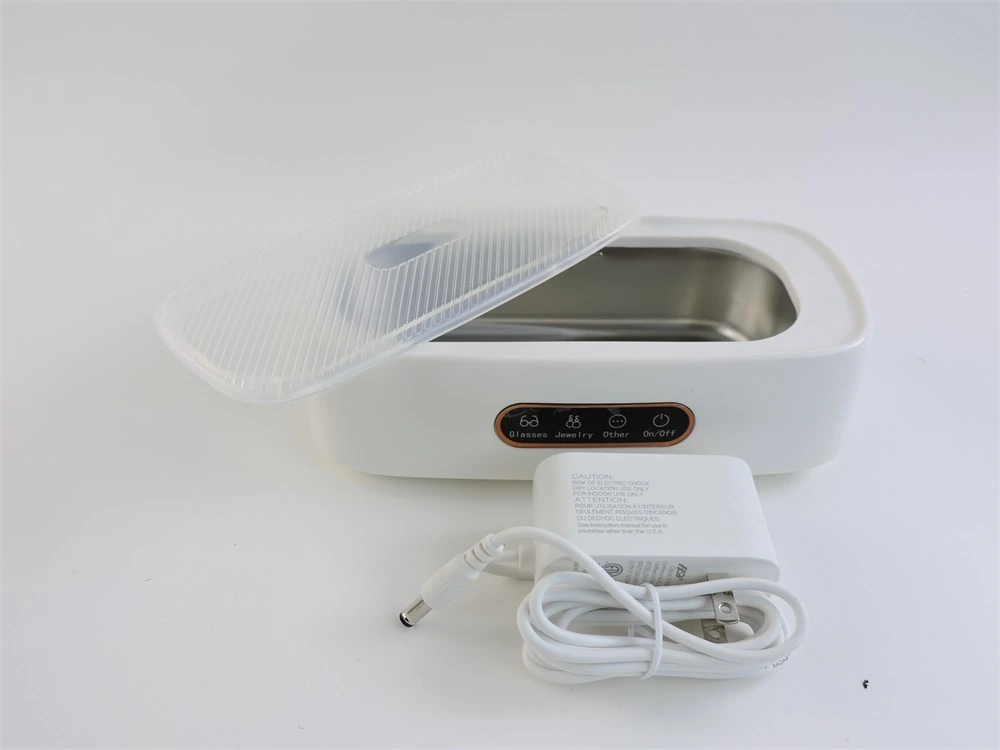
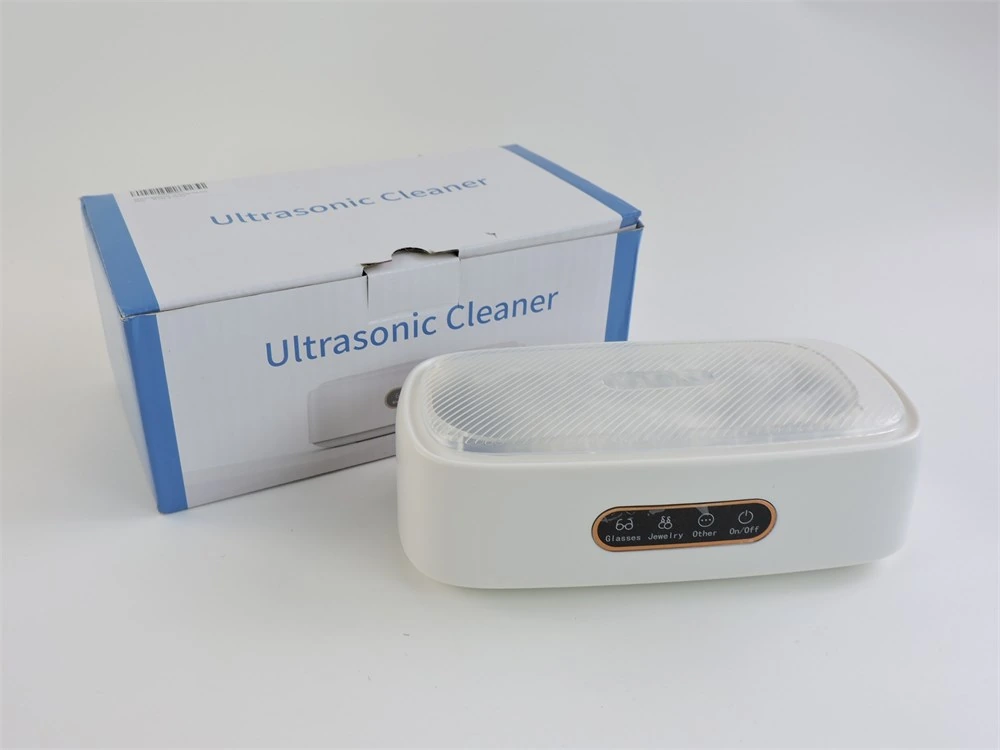
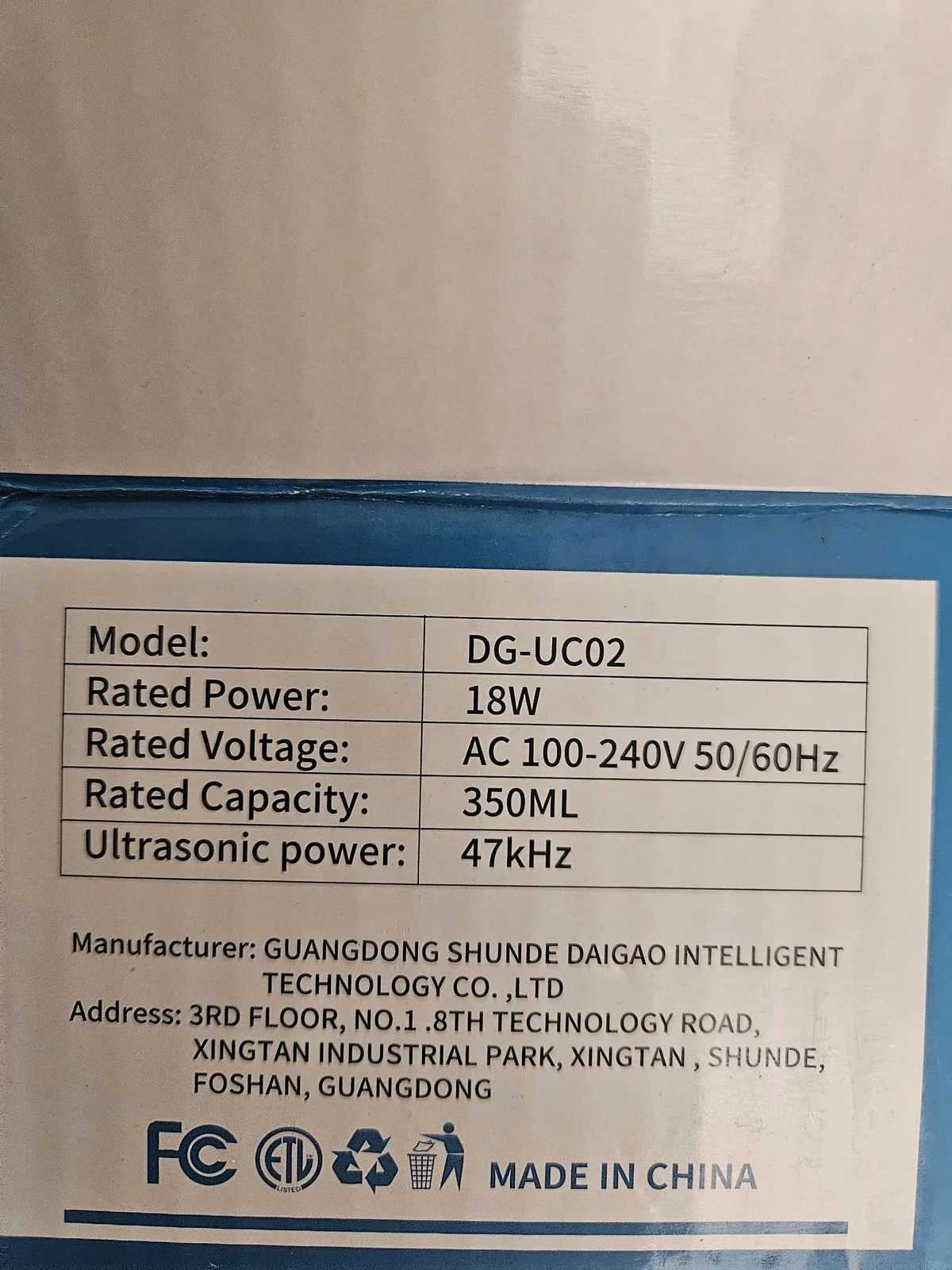
The compact cleaner cost CAD $15 Its carton identifies the model as DG-UC02 and lists the following specifications:
| Specification | Marked value |
|---|---|
| Tank capacity | 350 mL |
| Rated power | 18 W |
| Ultrasonic frequency | 47 kHz |
| Input | AC 100–240 V, 50/60 Hz |
These are the manufacturer’s printed figures, not independently measured values. The carton labels 47 kHz as “ultrasonic power”; strictly speaking, kHz describes frequency, not power. The separate 18 W rating does not specify actual acoustic power delivered to the liquid.
The DG-UC02 is a compact tabletop unit with a small stainless-steel tank, translucent lid and external power adapter.
The workshop trial
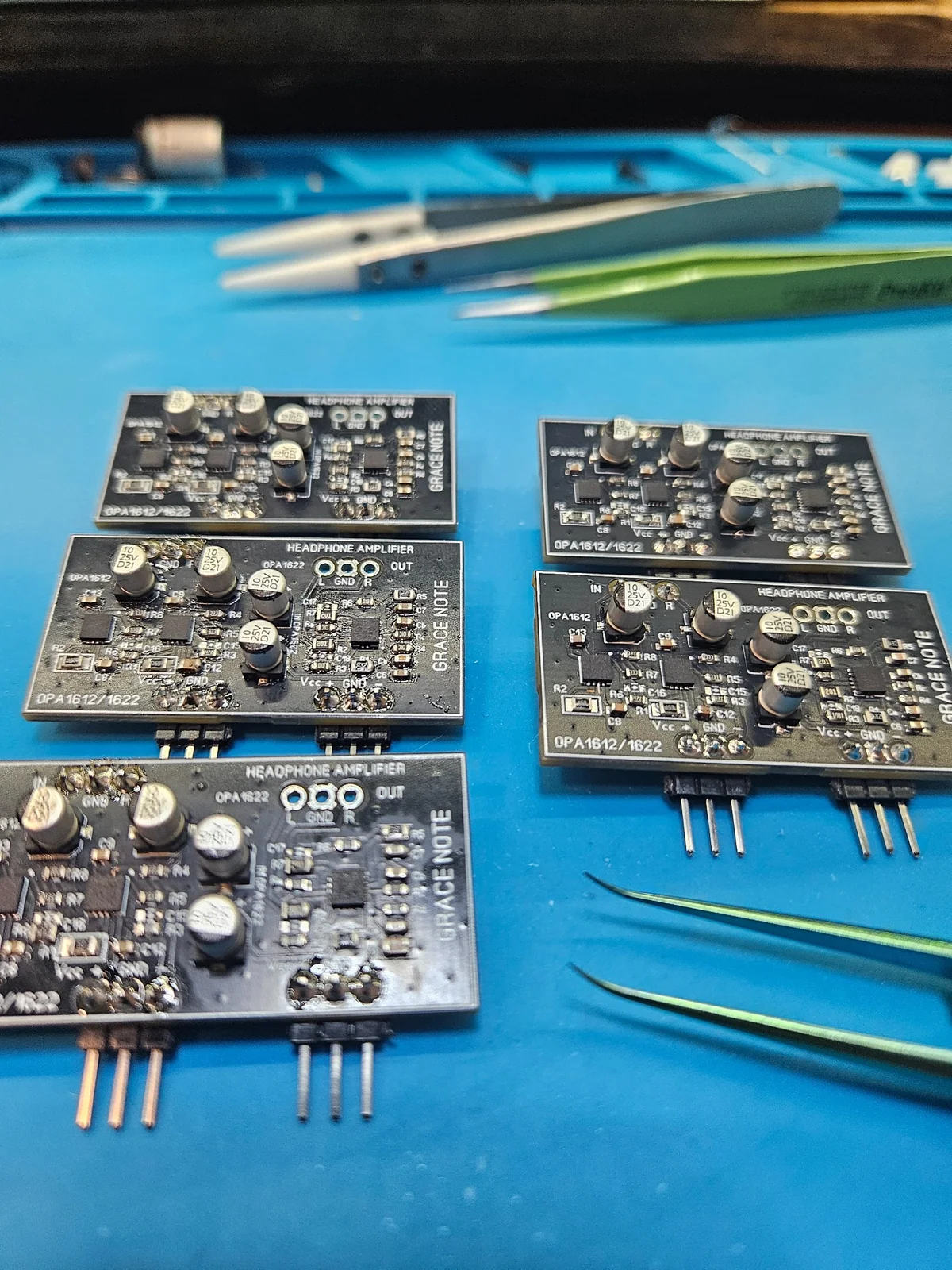
Two hand-soldered OPA1612/OPA1622 boards were photographed before and after cleaning. The cleaner has a three-minute cycle, and that was the operating cycle used for this trial. The boards had visible flux residue around the SMD components and solder joints.
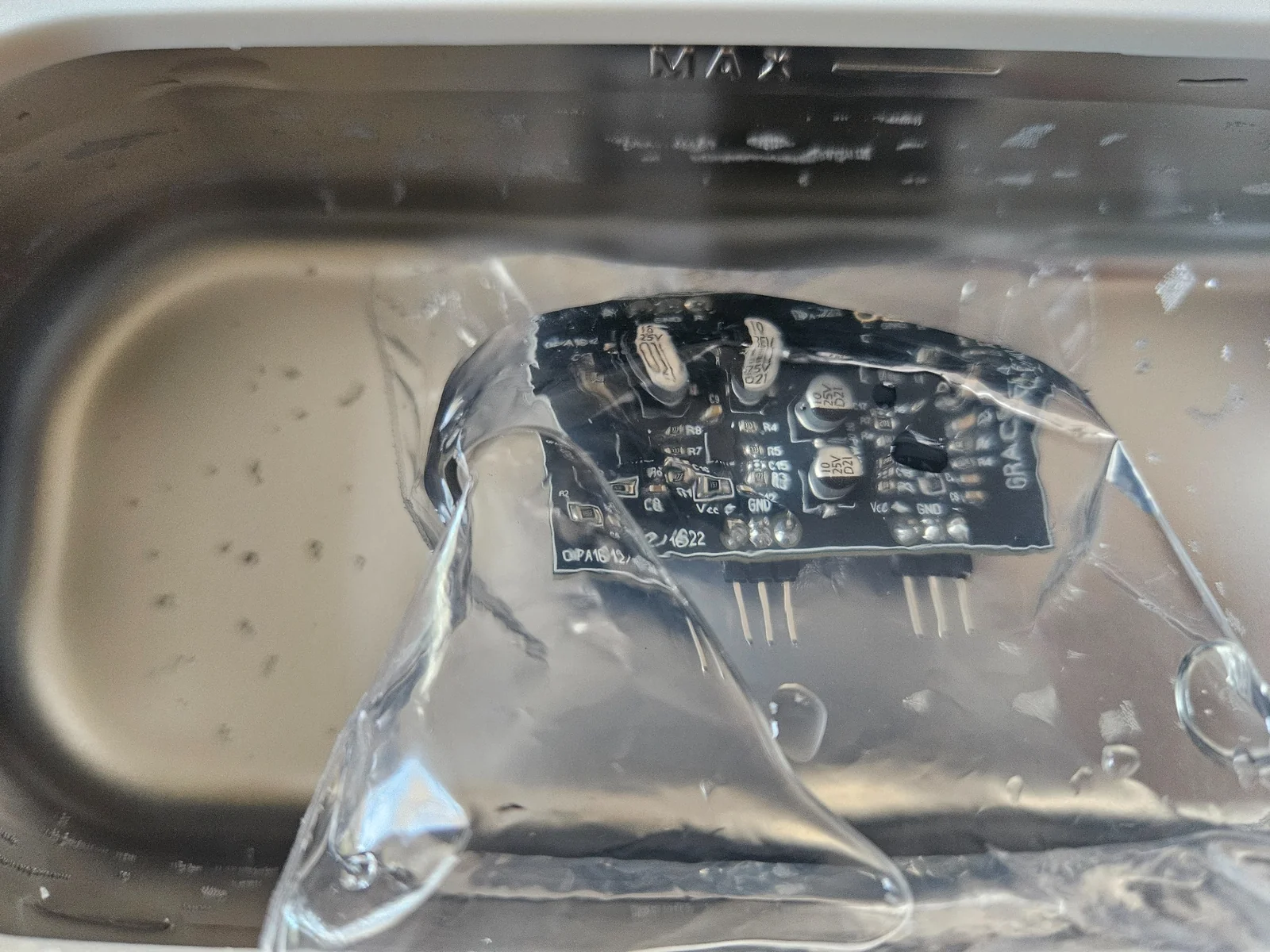
The documented test setup used isopropyl alcohol (IPA) in a flexible bag with water in the ultrasonic tank. The setup was photographed as a record of what was done, not as instructions to reproduce it.
Solvent safety: IPA is highly flammable. A flexible or open bag does not make solvent use in an ordinary consumer ultrasonic cleaner safe; vapors, leakage and electrical ignition sources remain concerns. For routine PCB cleaning, use a compatible nonflammable solution with equipment approved for that process, and verify component compatibility.
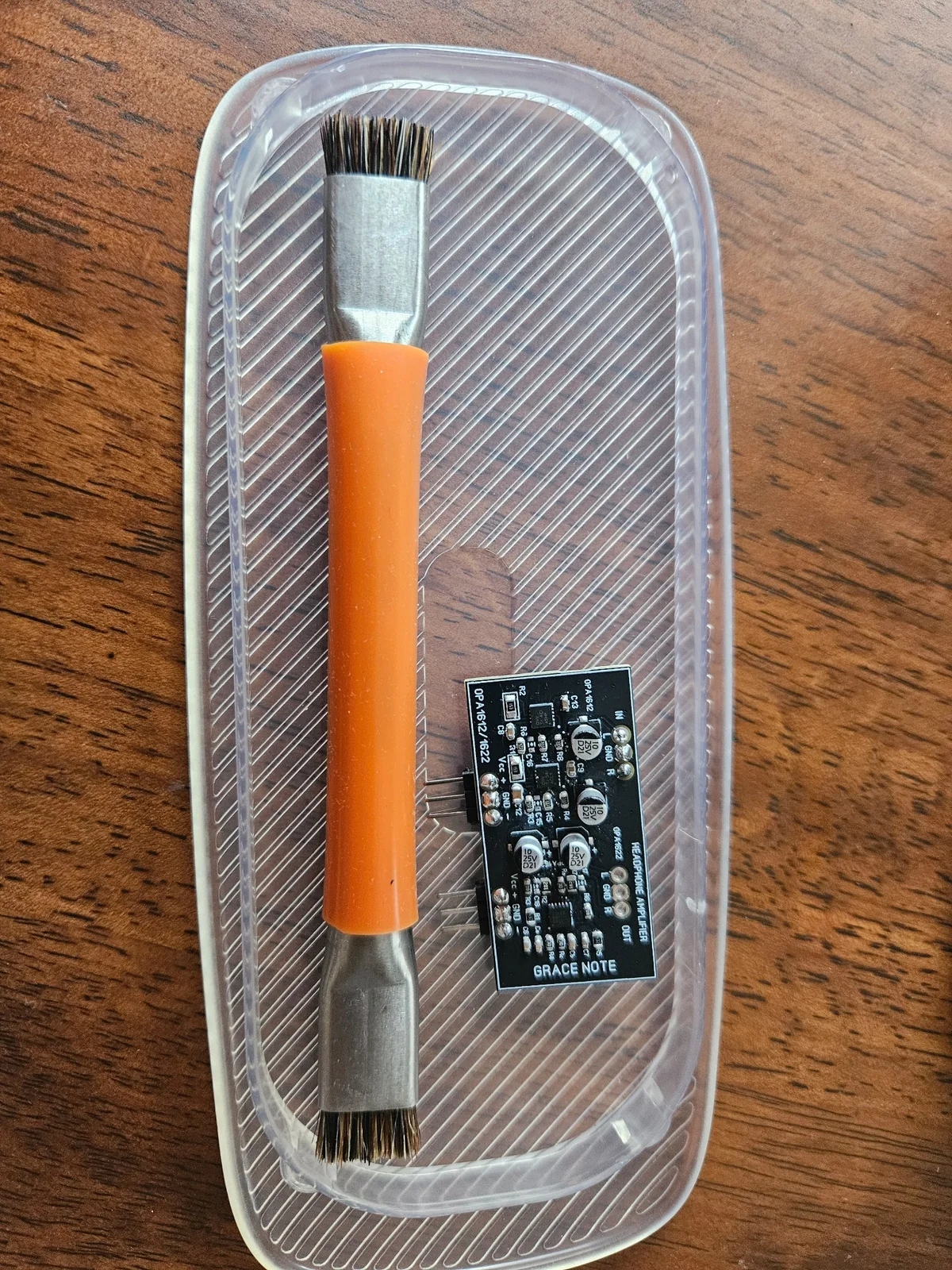
A compact double-ended PCB brush was also used with cleaning fluid for localized flux removal. Its short, firm bristles proved convenient around small parts. We did not independently quantify how much of the final result came from brushing versus the ultrasonic cycle.
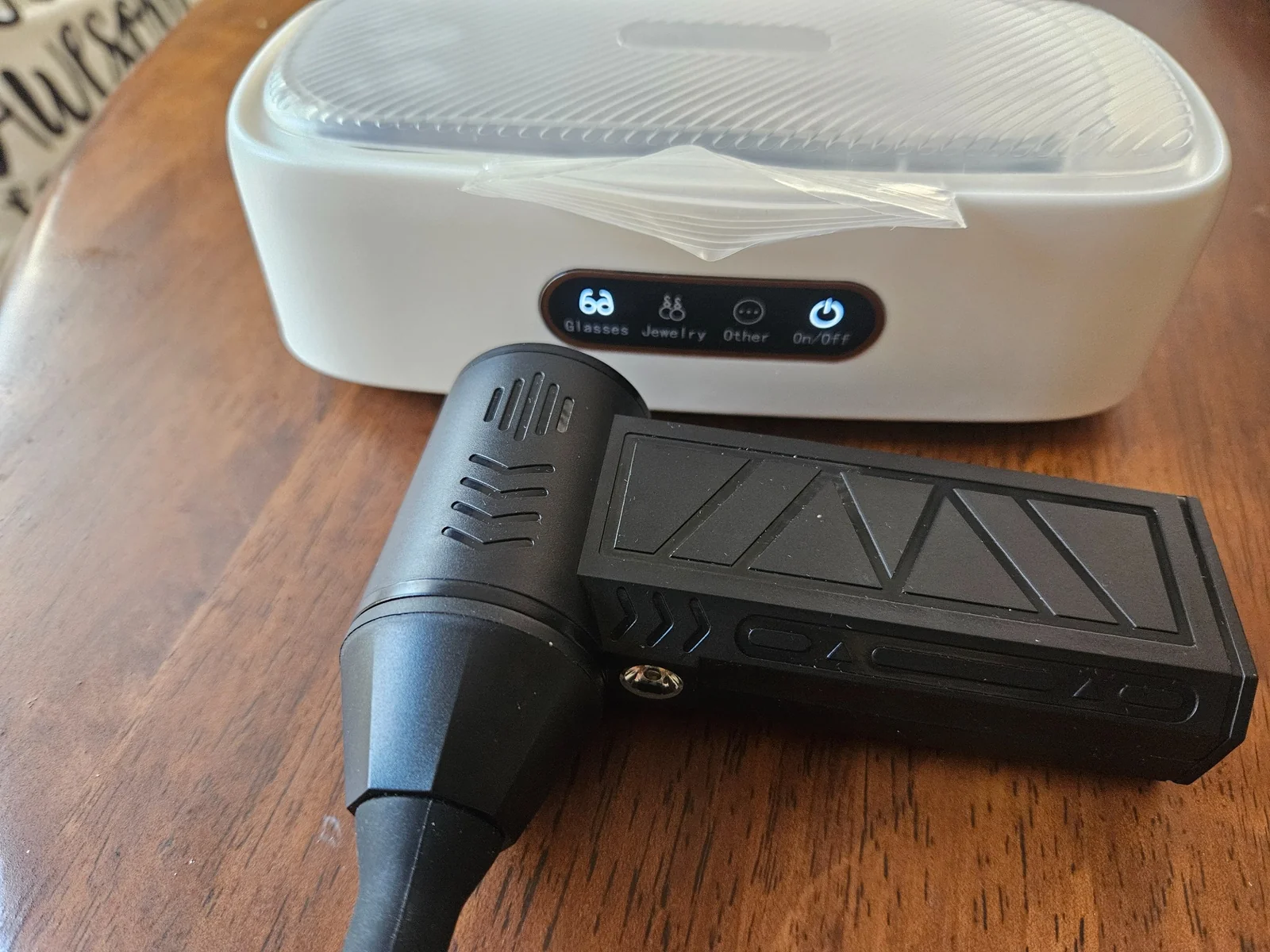
After cleaning, a handheld blower removed accessible liquid and the boards were left to dry. Airflow helps displace droplets but does not by itself establish that trapped liquid has evaporated beneath packages or connectors.
Before and after: the same two boards
The following photographs document the same two boards before and after cleaning, on the same blue work mat. Lighting and camera angles are not perfectly matched, so the comparison is visual rather than a controlled imaging measurement.
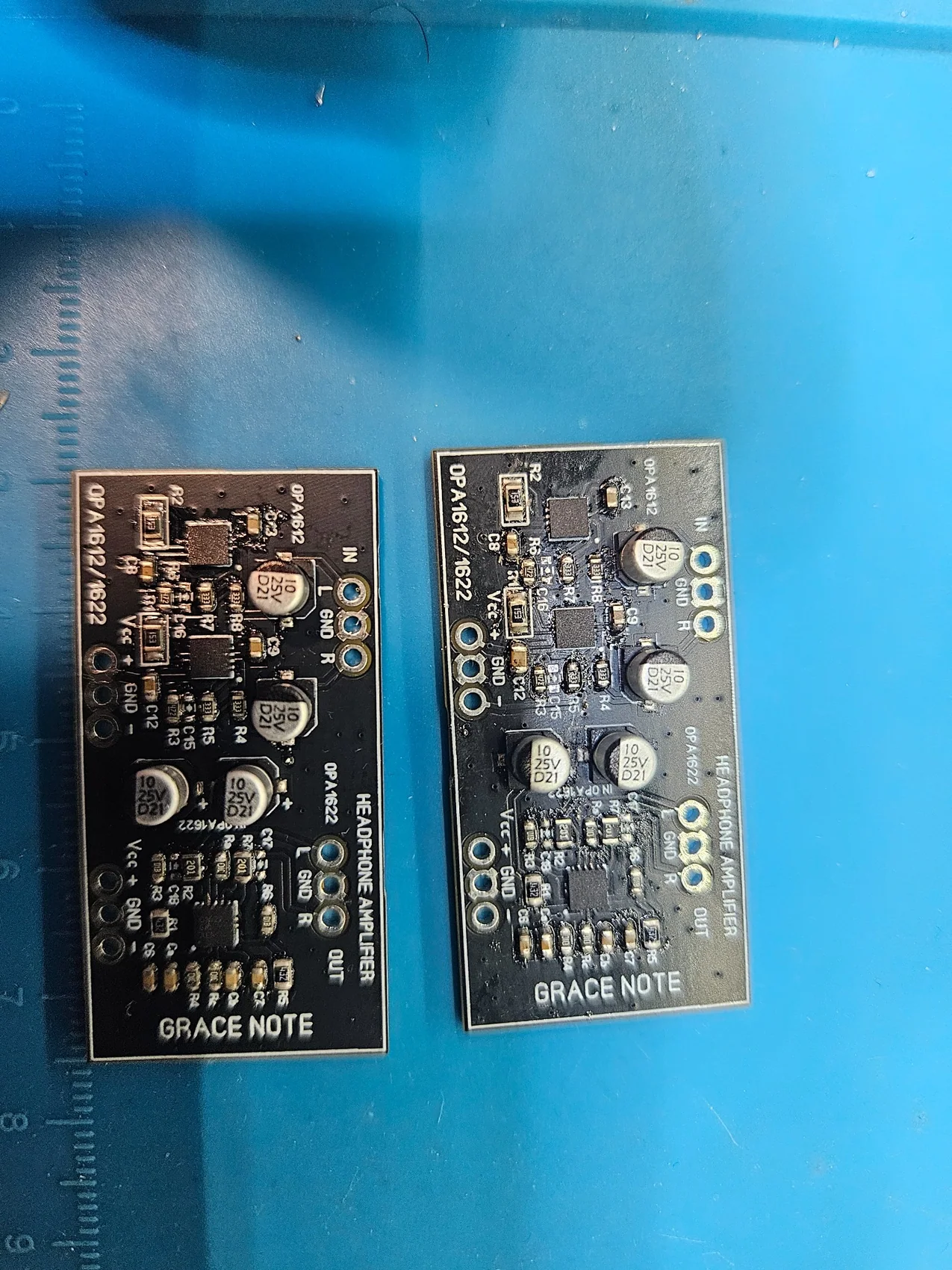
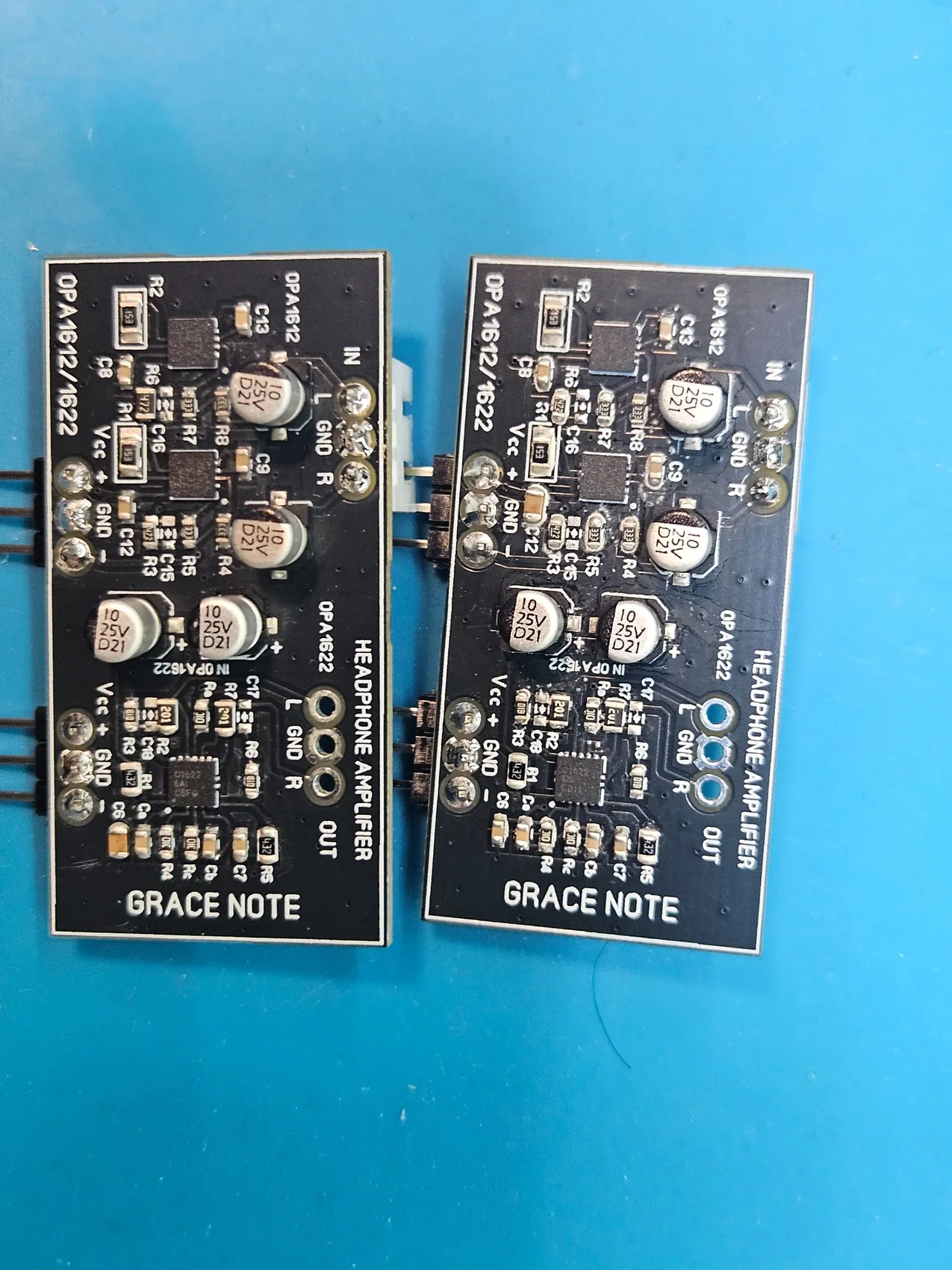
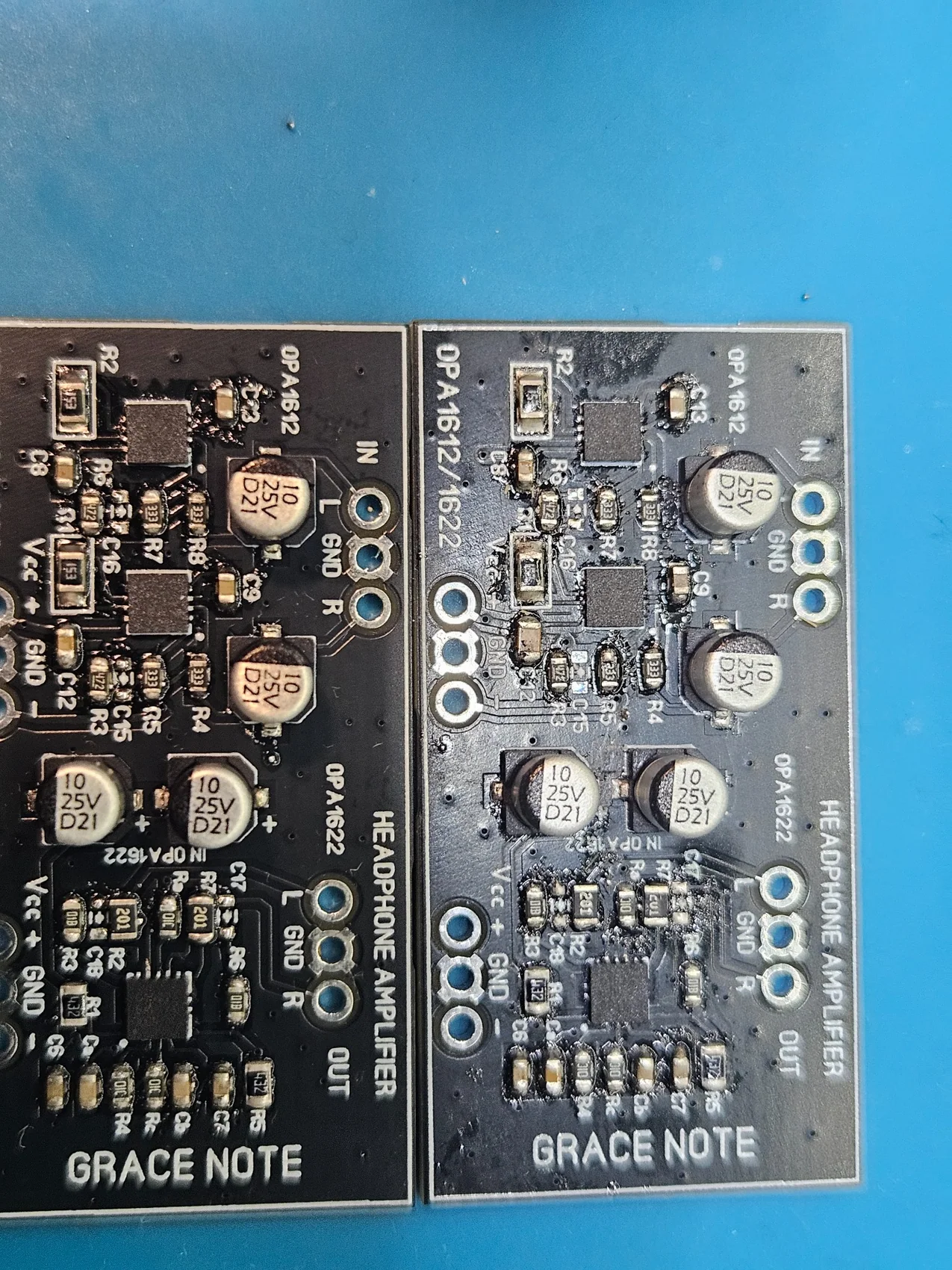
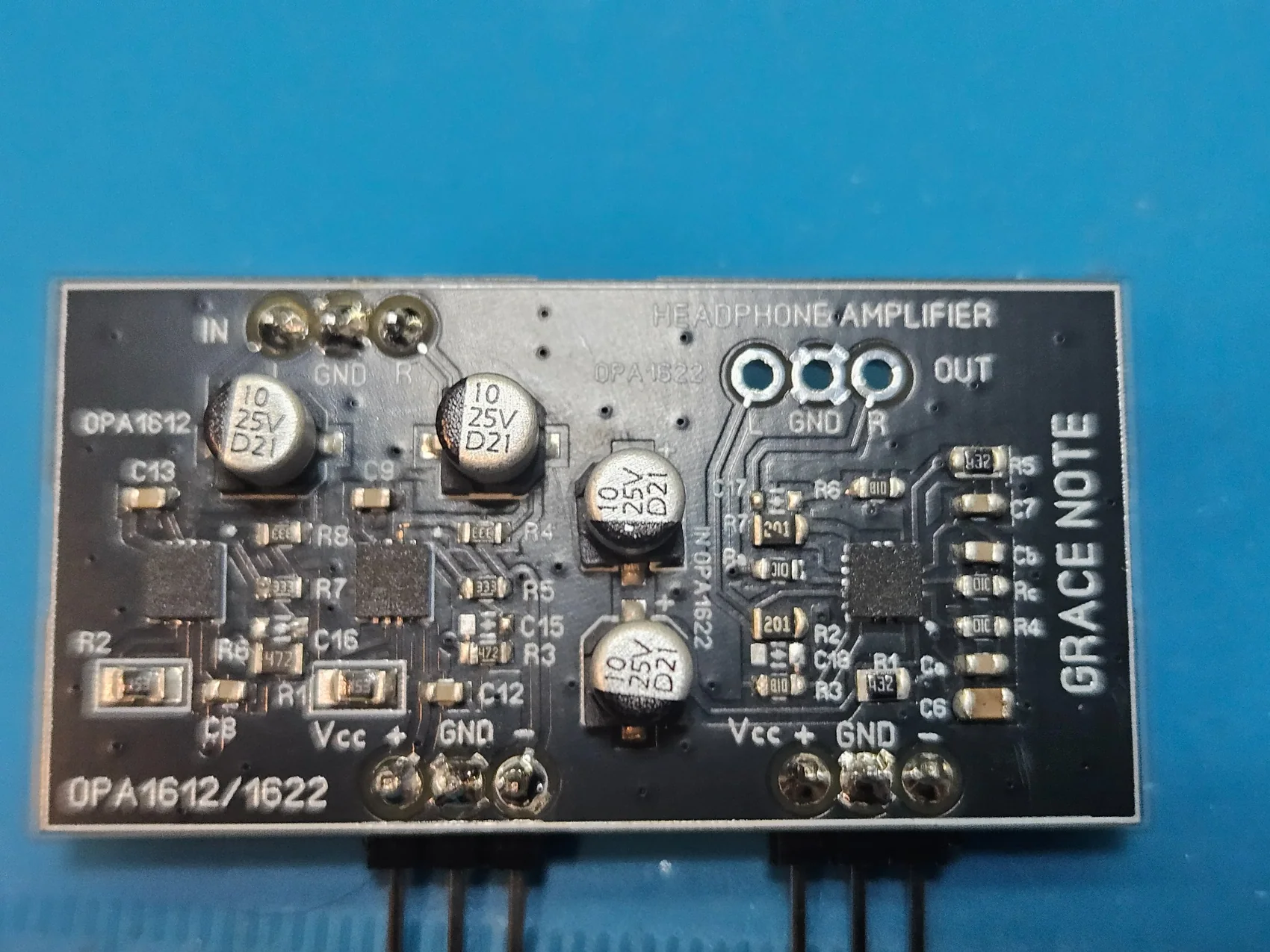
Close-up photographs allow us to compare visibly accessible surfaces around the IC terminals, 0603 components and soldered connections. The cleaned photos show no obvious flux deposits immediately alongside the small IC terminals, although faint marks can be seen in other board areas. A photograph does not establish the chemical identity of each remaining mark.
Why the small IC areas are worth examining
The Texas Instruments OPA1612 DRG (WSON-8) and OPA1622 DRC (VSON-10) package drawings specify 3 × 3 mm bodies with a 0.5 mm terminal pitch. Both include a central exposed thermal pad. The close spacing restricts access to the visible terminal edges, making these locations useful checkpoints in a cleaning comparison.
Our observations concern only the exposed surfaces in the photographs. The clean appearance next to an IC is not evidence for a claim about any concealed area.
What the photographs establish
The before-and-after photographs show a substantial reduction in visible deposits and smears across the black solder mask. The exposed areas around several small components and IC terminals appear notably cleaner. A few surface marks are still visible in other locations. This is a visual comparison, not a chemical identification of every mark.
The trial did not include ionic contamination measurements, surface-insulation-resistance tests, controlled equal-mass flux samples, or measurements of acoustic power. We therefore report a visible cleaning result, not a laboratory cleanliness certification. We make no claims about areas hidden from view.
Boards with electrolytic capacitors, connectors, relays or other assembled parts also require component-specific suitability checks before ultrasonic cleaning. Drying and electrical inspection should precede applying power.
Workshop conclusion
The DG-UC02, purchased for CAD $15, produced a substantial visible improvement on two hand-soldered GraceNote Audio headphone-amplifier boards using its three-minute cleaning cycle. The original before-and-after photographs document that result without claiming laboratory-grade contamination removal or long-term reliability.
A future controlled comparison could use consistent macro photography, a suitable nonflammable PCB cleaning agent, and separately documented brushing and ultrasonic-only trials.
GraceNote Audio · Handmade in Canada · Individually Tested